A reflection on “Cornelia Street” and “Death by a Thousand Cuts” by Taylor Swift. Because it’s that kind of day.
—
I just want to take a moment to acknowledge how genius it was to put these two songs back-to-back on Lover.
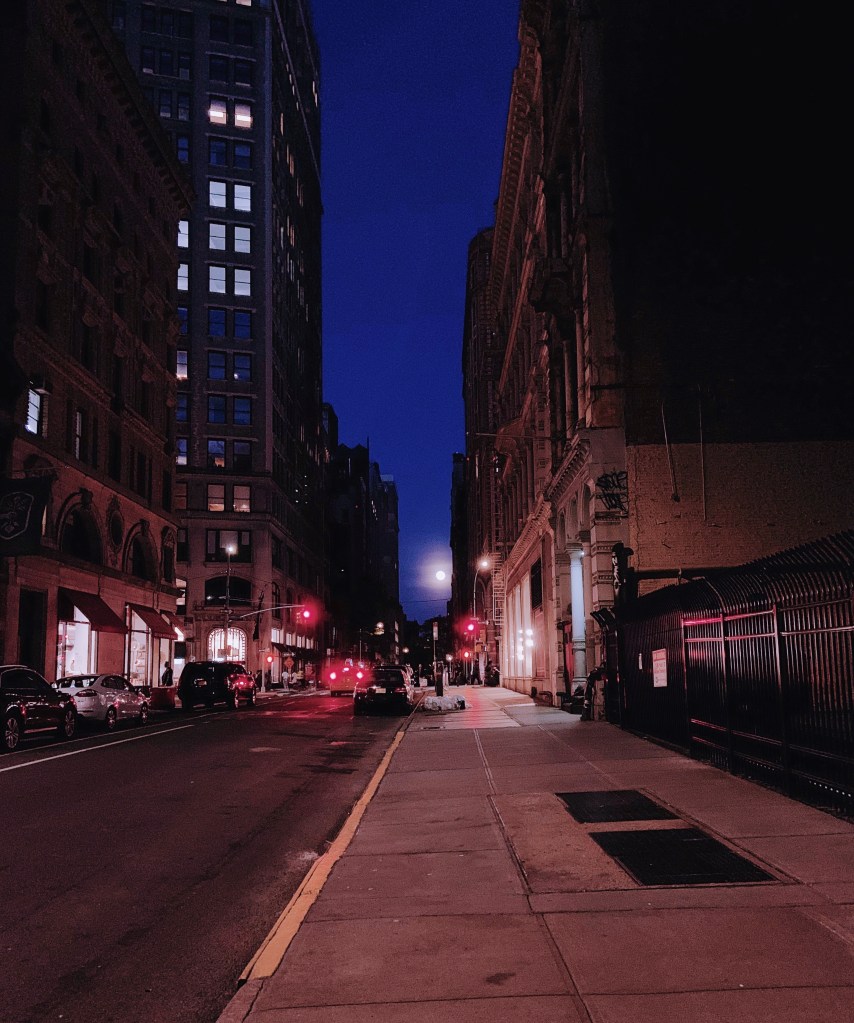
They’re not exact matches, nor do they tell a sequential story– Cornelia Street is the love that saved itself from Death by a Thousand Cuts. (Scroll down for a listen, then scroll back up as it plays.) Cornelia Street is redemption, the happy ending, yet it preempts the old tragedy that you still look for the love in, because you’re given Cornelia Street first– you’re given the pink haze, the flowery bubble bath Taylor says she was soaking in when the song came to her– because that’s what you do with a good love, right? You revel in it, luxuriate in it. There’s a dark evening street just out the window, with car tires thumping in time with broken heart beats, but you’re inside. You don’t have to feel the cold you feared freezing in. Instead you get to breathe in, warm and tentative, this new air, and know that you’re breathing.
The apartment on Cornelia Street is a real place that Taylor stayed at, slept in, probably took a bath in– but Death by a Thousand Cuts was inspired by a Netflix film. It was an answer to the question: “can you still write a sad song when you’re happy?” It’s a big question– one I’ve never really let myself explore, because I’ve braided myself a panic chord to pull when I start to feel content, because it’s easier to leave than eventually get left– which is another Taylor Swift song, isn’t it? Which one? Getaway Car? No– I Did Something Bad. reputation is the only TS album I never bought on cd, just digital, for reasons too lengthy for this specific post, so I don’t have its lyric book before me with the others, sat gathered in a file divider on my desk. Kept there because she’s a poet, and poets like me like drowning in poems they didn’t write, because we can say the death by envy isn’t our fault. No, I’m kidding– well, mostly. I envy Taylor her– yep– fearlessness, her existence as a lyrical giantess in a world that starts to bang on your door and yell at you to shut up if they think you’re singing too loud. Particularly if you’re singing mostly ballads. It takes a lot of guts to keep singing in the face of so much noise.
I think I can count on one hand the number of poems I’ve written that you could call “happy.” I’ve never had to sit myself down and ask, “can I still write a sad poem,” because the answer is always, “of course, because we are inherently sad.” Inherently sad, like it’s my basest drive, my default setting. I’m chasing songs and poems and movies and places and people, especially people, that can break my heart enough for me to write a line in my notes app on the bus ride home that makes me go, “oof. That hits.” I’m trying to commiserate with myself. Is there a word for that? Other than self-pity, and wallowing. Other than self-sabotage, self-immolation.
Death by a Thousand Cuts is a gorgeous, stab-yourself-in-the-chest kind of song. There’s no hope in it. No hope of hope. It’s taking stock of the debris left behind a great love– the lyrics themselves are apocalyptic: the flickering chandelier, the “lawless land,” “I look through the windows of this love / even though we boarded them up.” And if it’s you getting drunk and looking through those windows– who doled out the cuts? The person who caused the end, or the person who can’t stop combing through the wreckage? And what do you do if they’re the same person?
You want Cornelia Street, but you’re not there. You’re still on the drive home, in the dark, where you can’t help but stare at your reflection in its choppy streetlight-illuminated clarity in the window. You don’t know if there’s a bath in a pink-tiled bathroom waiting for you when you get home. You hope against hope that there is, because you don’t want an excuse to keep looking behind you.
But then– it’s your bathroom, isn’t it? You can paint it pink yourself, can’t you? You can draw the bath, pour the bubbles. You can listen to Cornelia Street first, over and over and over, until you can listen to Death by a Thousand Cuts without it feeling like you’re rubbing salt, or– ooh, topical– hand sanitizer in yours. Hope isn’t really something you’re given– you can make it yourself, and refuse to let go. Can’t you?
Maybe that’s why she put Cornelia Street first. You don’t have to lick your wounds and suffer the healing before you can start dreaming again. You don’t have to write every sad poem you possibly have in you while you’re sad, nor write exclusively happy songs when you’re happy. Happy and sad are not mutually exclusive. They can co-exist. Back-to-back, nine and ten on an album.
That’s not to say it’s going to be hot-knife-in-butter easy for me to write a happy poem now in the midst of so much grime and darkness and yes, wallowing. But I can keep listening to Cornelia Street without it feeling like something unattainable, something belonging to somebody else.
Now if you’ll excuse me, I’m gonna go take a bath.
xx
Meg
 poetgoes
This was such a cool read! I love your analysis of these two songs, they’re definitely some of my favorites from Lover.
LikeLike